Does your home suffer from signs of damp or condensation? determine whether a dehumidifier will help solve the matter, how they work and the way to form the foremost of your dehumidifier.
Dehumidifiers are designed to stay a room’s humidity levels in restraint, therefore the air is easier and you notice fewer physical signs of damp air – like mold on walls or condensation on your windows.
The simplest dehumidifiers are easy to use, won’t cost you much to run and do an incredible job of pulling water from the air whether performing at temperature or in colder conditions. The worst, on the opposite hand, will take for much longer to try to ton equivalent job.
How do dehumidifiers work?
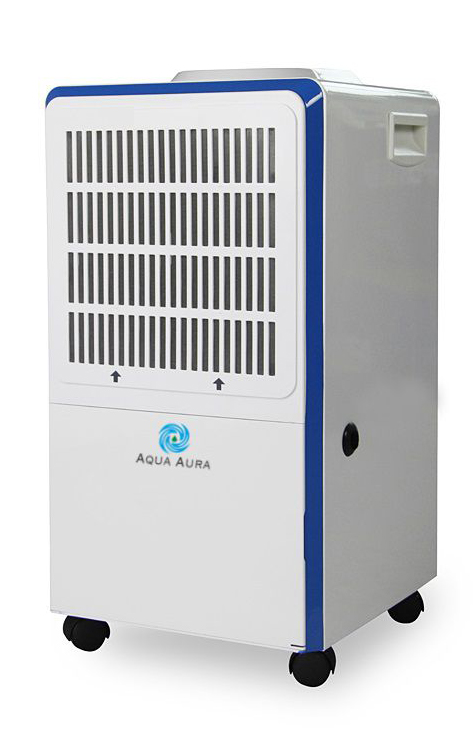
Dehumidifiers draw excess moisture from the air, helping to combat condensation, prevent mold growth and reduce damp on walls. There are two main sorts of a dehumidifier to settle on from – refrigerant (also referred to as a compressor) and desiccant. They add alternative ways and claim to be better suited to different environments.
Refrigerant (or compressor) dehumidifiers
- These attract air through a filter and over cold coils.
- Water then condenses on the coils and drips into the cistern.
- It’s often claimed that they work better at higher temperatures and humidifies, thesis that the more sensible choice for many occupied homes within the country.
Desiccant dehumidifiers
- These use an adsorbent to extract water from the air.
- The fabric is then heated in order that the moisture drips into the cistern.
- Desiccant dehumidifiers are designed to figure more effectively in lower temperatures – the type of environment you would possibly expect in your typical garage or a conservatory or an unheated basement (if you’ve a basement flat, and It’s always warmer than 10 degrees, you’d probably choose a refrigerant).
- It’s often claimed that desiccant dehumidifiers tend to use more energy than refrigerant dehumidifiers due to the way they use heat to warm the adsorbent.
We’ve found dehumidifiers that ace our water extraction tests at both temperature and in colder temperatures, meaning they’re going to do an excellent job of preventing mold growth altogether rooms around your home.
When should I use a dehumidifier?
Here are some signs that you simply need a dehumidifier:
- Your home has been flooded – otherwise you notice water stains and think it’s going tore flooded before you moved in. First, you will need to repair the water damage or get knowledgeable to try to to so.
- The wood in your house is soft to the touch – which suggests it’s rotting. Windowsills are particularly vulnerable.
- Your windows often have condensation.
- You notice mold and mildew. Check for small dark spots on your walls and ceilings, and therefore the areas around your toilet and shower.
- Your home has an unpleasant musty smell.
You’ll use a dehumidifier across the year, in winter or in summer, if the humidity level is high. In summer, for instance, you would possibly want to use one if the air inside your home is humid and sticky, and opening a window just seems to let more hot air into your house.
Can a dehumidifier stop damp and mould?
You can use a dehumidifier once you notice signs of damp, like condensation on your windows. But taking these simple steps could help nip it within the bud before it gets to the dehumidifier stage.
Use an extractor fan or open a window when taking a shower or shower. Wipe down wet walls and floors in your bathroom after use. Seal cracks in your walls with a caulk or sealant. Place wet clothes to dry next to an open window. If possible, dry your clothes outside. When cooking on a hob, use the extractor fan hood.
If you’re having more persistent problems with damp, the following pointers may help. If not, you’ll got to call during a professional.
Check gutters aren’t clogged and downspouts direct rainwater faraway from your home. confirm your tumble dryer is correctly vented to the surface. Check for any leaking pipes or appliances. A damp-proofing course could also be needed for tackling structural rising damp.
Damp on walls can have many causes – our guide handling damp helps you’re employed out what quite damp affects your property, including advice on handling condensation.
Our recommendations on using your dehumidifier
- Vacuum before using your dehumidifier, in order that it doesn’t spread dust round the room or clog the dust filter. this is often particularly important if you suffer from allergies.
- You’d probably rather your dehumidifier was tucked out of sight. But you ought to position it faraway from walls, furniture and curtains in order that air can circulate around it, and it can remove more moisture from the air.
- Keep doors and windows closed when the dehumidifier is running. If windows are open, your dehumidifier are going to be working harder to undertake to dehumidify a greater area.
- Empty the cistern after every use, if you’ll, and definitely before packing it away for storage.
- Use a cloth to wipe down the tank, in order that you do not get mold or mildew from water that’s been left stagnant.
- Vacuum the air cleaner on a daily basis to prevent it getting blocked; manufacturers tell us that this is often a really common reason for dehumidifiers not working properly.
- You’ll often wash your filter if it’s extremely dirty. But check the manufacturer’s instructions first, as overzealous or inappropriate cleaning might damage your appliance and invalidate any warranty.
- Aim for the room’s humidity level to be between 50% and 60%. If you’re buying a dehumidifier for an area containing valuable possessions, though, like a guitar collection, seek specialist advice on the humidity level you would like
How does continuous drainage work?
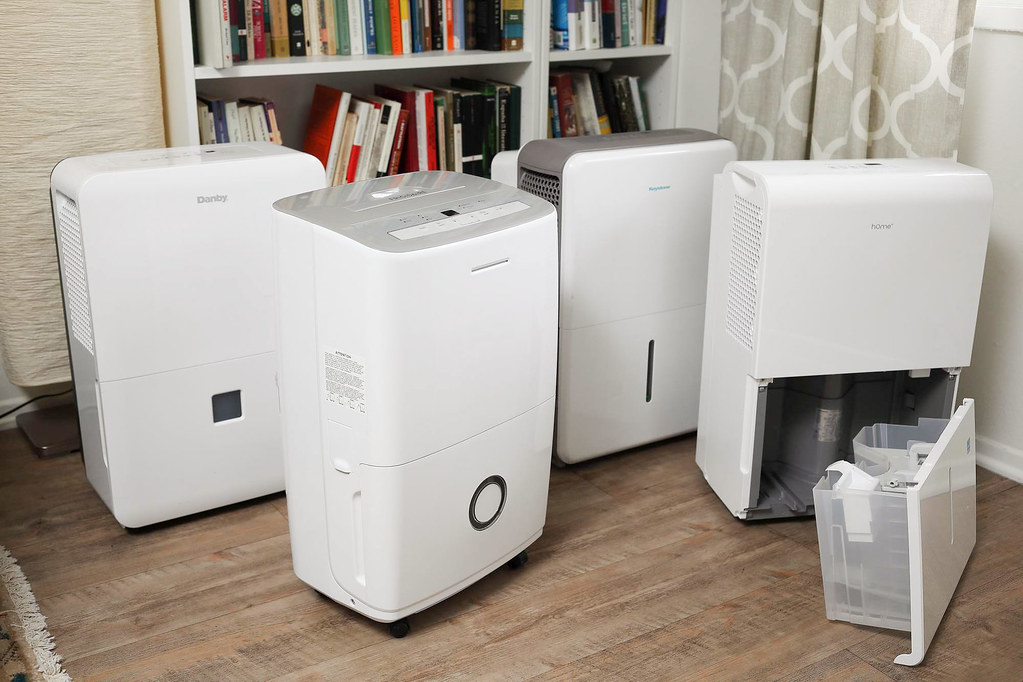
Dehumidifiers contain a cistern, which collects the water that’s extracted from the air. you will need to empty this regularly, ideally daily, to stop the dehumidifier from turning itself off once the tank is full.
It isn’t always convenient to try to to this, but luckily many dehumidifiers are often found out for continuous drainage. This involves attaching a hose (often not provided) to the dehumidifier and running the hose to a floor-level drain.
As this works through gravity, the dehumidifier will got to be raised a touch above the ground.
 HOUSE ADVISE